The First Walkman: Restoring My 1979 Sony TPS-L2
How I restored my 1979 Sony TPS-L2, the first Walkman: new belts, a clean tape path, an oiled motor, and speed set...

// 02 / Technology / The workbench
The technical layer behind AERA: the machines, repairs, circuits, tests, mistakes, rebuilds, and signal paths that eventually become part of the music. This is where I document the devices I build, restore, modify, and use.
Build families
The archive is organized by the kind of machine being shaped: amplification and
playback, synthesizers and sequencing, rhythm machines, and effects or signal
processing. Each family opens into a focused archive of related build posts.

Power amplifiers, headphone amplifiers, speakers, phono stages and cassette players: the listening and playback chain that decides what the music really is.

Analog voices, sequencers, modular systems, vintage recreations, and the machines that create the raw material.

Analog & TR-style rhythm machines, authentic recreations, analog pulse, strict timing, and the mechanical side of groove.

Phasers, chorus, analog delays, flangers, and analog studio processing circuits that change the emotional size of the room.
Build log by category
A compact view of the latest work in each category. The full archive for each family
lives on its own detail page, while this page stays readable and gives visitors a fast overview of the current technical work.
Amplifiers
Power, clarity, gain structure, headphone amplifiers, monitoring chains, playback machines, and the pieces that decide how honestly I hear the studio.
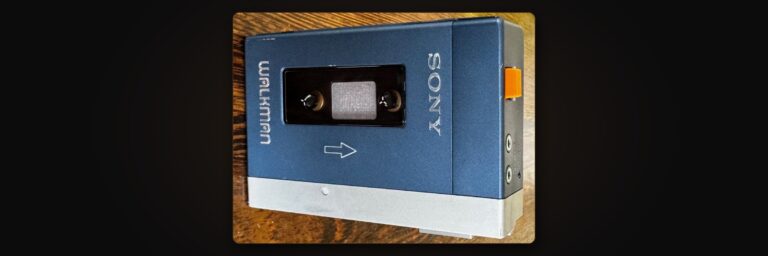
How I restored my 1979 Sony TPS-L2, the first Walkman: new belts, a clean tape path, an oiled motor, and speed set...

Building the AMB Beta22: an all-discrete, balanced Class A headphone and speaker amplifier, from power supply to finished chassis.

Building two AMB Beta24 power amplifiers, a no-compromise discrete design, after meeting its designer Ti Kan in Sunnyvale.
Synths
Oscillators, filters, control voltage, step logic, interfaces, restorations,
and the machines that generate pattern and tone.

How I built a large analog modular synthesizer to capture the organic sound of Tangerine Dream, Klaus Schulze and 70s pioneers.

Recreating the Roland Jupiter-8, the 'final boss' of analog poly synths: the build, the filters and that creamy yet aggressive sound.

Why I built my studio around a 1992 Atari Falcon030: a production-grade music computer with a disciplined, focused workflow.
Rhythm
Rhythm circuits, timing, trigger behavior, noise sources, repairs and the physical machinery of pulse.

The Roland TR-909's legacy in techno and house, and my DIY build of the drum machine that defined a generation's sound.

Building the Din Sync RE-808, a DIY Roland TR-808 recreation: sourcing obsolete transistors, hundreds of solder joints, the first beat.

The story of the MSS 2007, the DIY MIDI step sequencer from ucapps.de that powered the 40-minute live odyssey of my album...
Processing
Phasers, delays, filters, modulation, signal treatment, and the devices that bend the sound after it is born.

How I built Jurgen Haible's Son of Storm Tide flanger in 2008: BBD chips, the Bounce function, and one of my earliest...

How I built Jurgen Haible's Triple Chorus, a Solina string ensemble emulator, for my Frac Rack modular: the lush 70s string sound.

My first DIY effect, built in 2007: Jurgen Haible's clone of the Schulte Compact Phasing A, the legendary Krautrock phaser.
How to read the archive
These posts are not separate from the musical process. They document the physical
decisions behind the sound: why a circuit is rebuilt, why a signal path is changed,
why a machine is kept, repaired, or abandoned. The studio hears the result later.
// Viewing
Open source