First signal
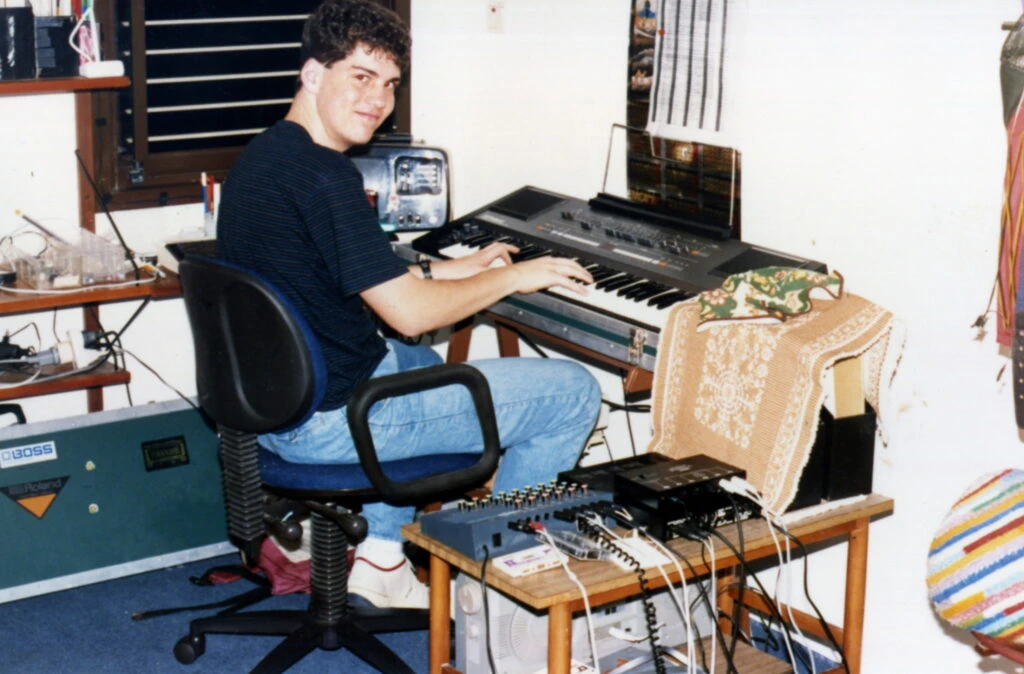
The first studio was small, direct, and full of discovery. The machines were limited, but the idea was already there: sound could become a complete world.

// 04 / Biography / Erez Yaary
I am Erez Yaary, and AERA is the current name for the music, machines, rooms, and long history behind my electronic work.
I’ve always been fascinated by the way a single sound can change the mood of a room. My journey started back in 1986 with a Roland Juno-106 Synthesizer and an Atari 600XL computer, and to be honest, I’m still just as obsessed with finding that perfect patch today as I was then.
The first studio was small, direct, and full of discovery. The machines were limited, but the idea was already there: sound could become a complete world.
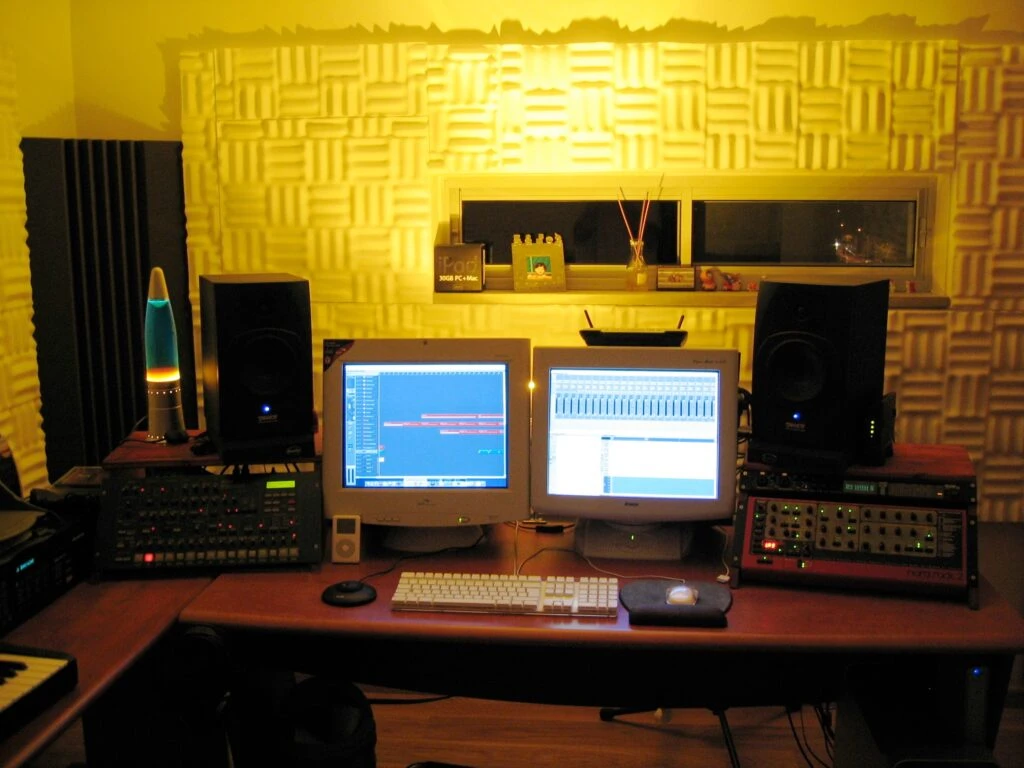
My musical journey began in 1986 with a deep fascination for electronic sound, synthesis, and the emotional power of evolving textures. These early years were spent experimenting with synthesizers, computers, recording methods, and changing studio setups. Before any official releases, this period formed the foundation of my musical language: space, patience, atmosphere, and structure.
I began shaping my private experiments into full album projects. Releases such as Nibiru and Retrospective introduced my early artistic identity, centered on long-form electronic music, ambient movement, and immersive instrumental sound. During this time, the studio became more focused and album-oriented, evolving into a complete creative system.
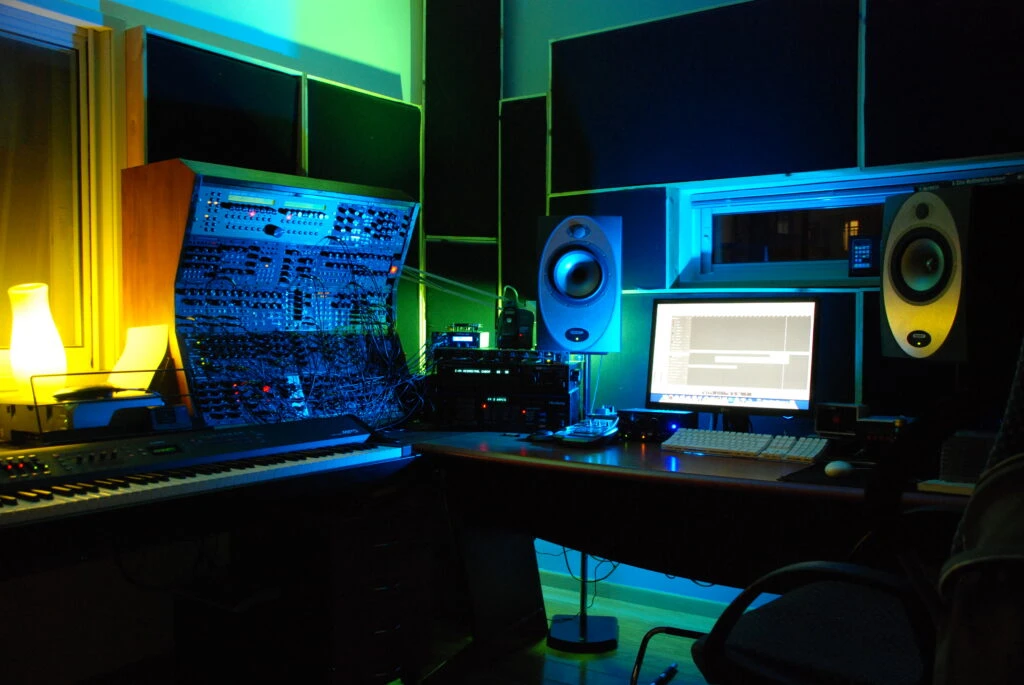
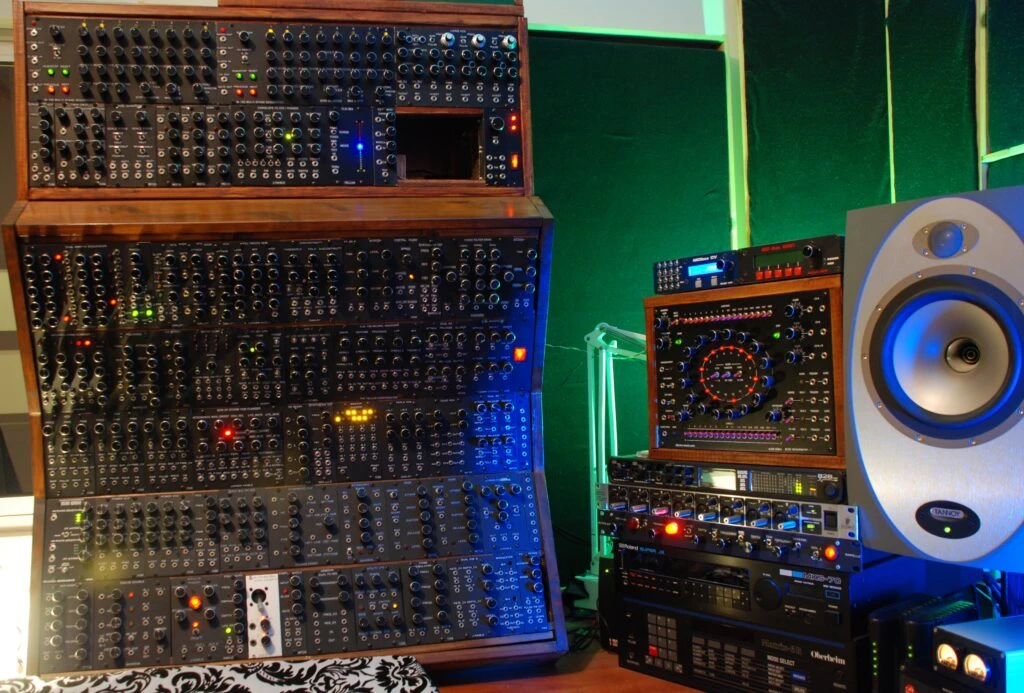
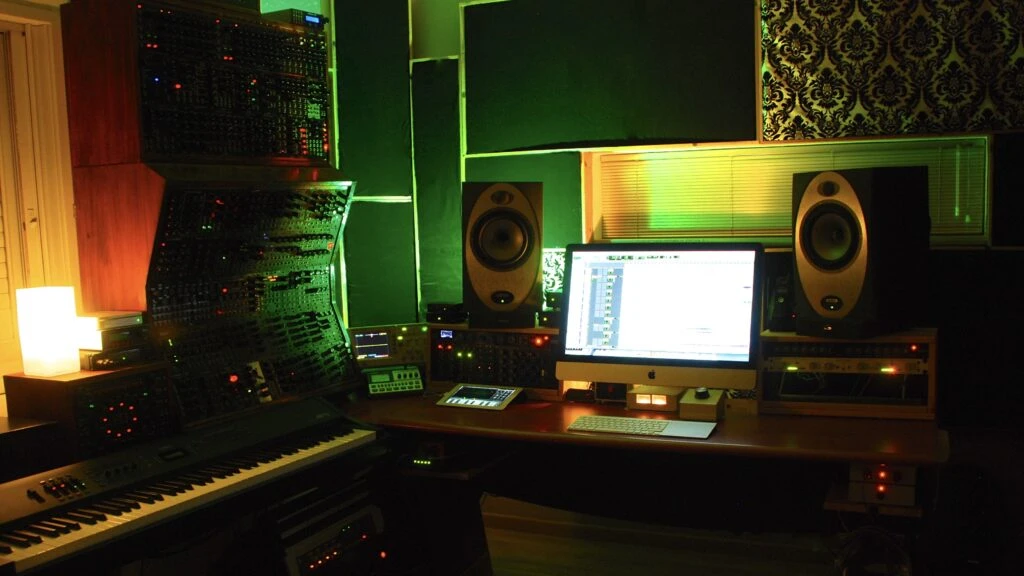
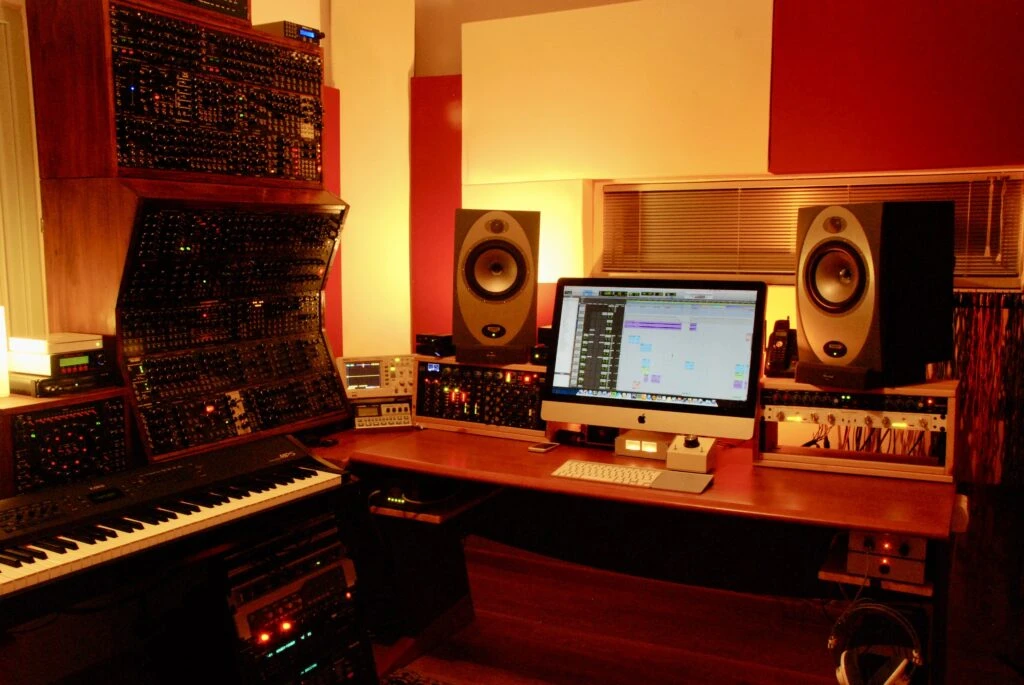
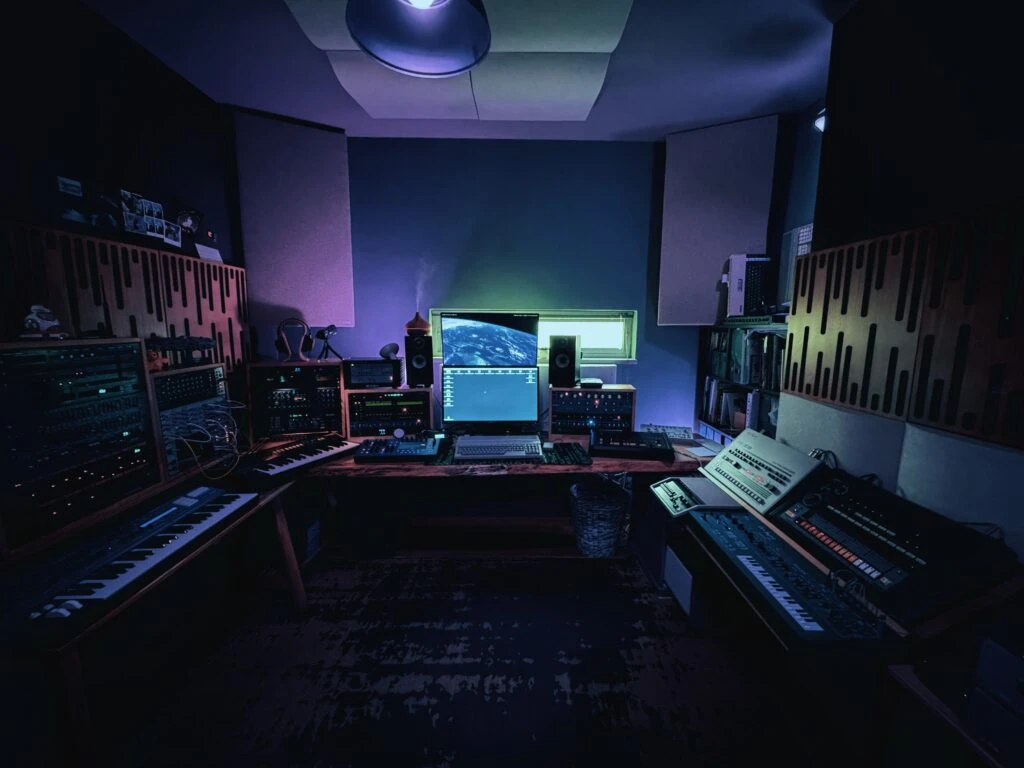
My work became more controlled, atmospheric, and refined. Albums including Moab, Ambience, Atmosphere, and Signal explored depth, restraint, and slow emotional development. The studio itself became central to the music, combining analog synthesizers, modular elements, custom routing, and hybrid workflows into a hands-on instrument for composition and sound design.
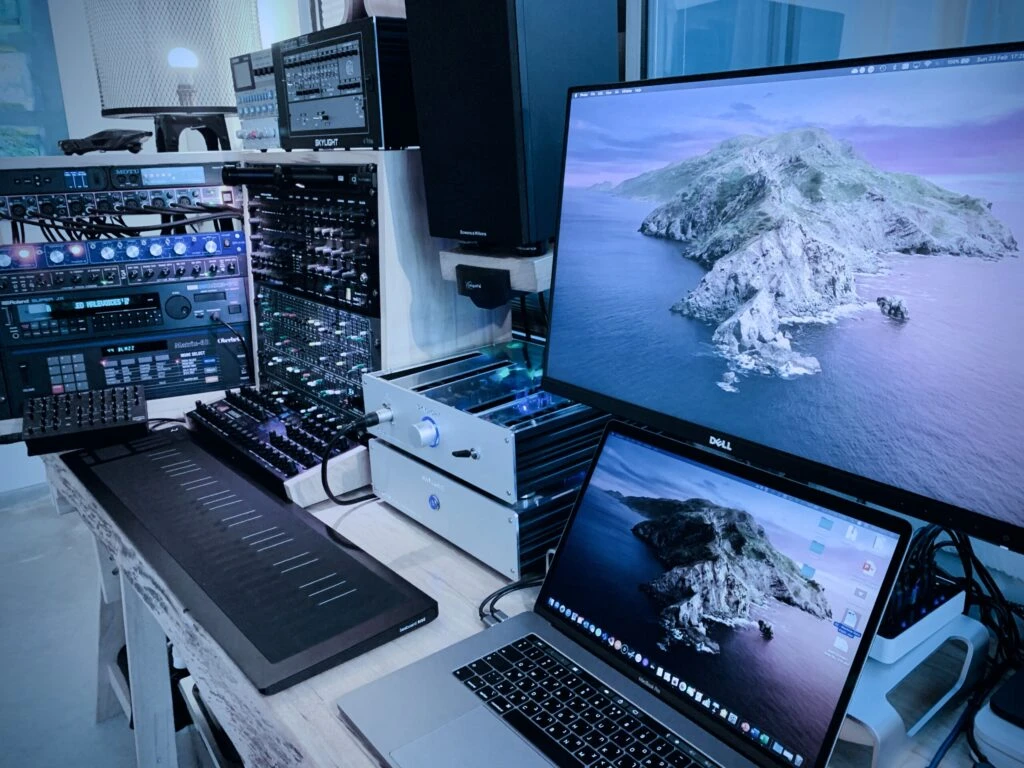
AERA brings the whole path together: studio work, technology work, finished music, and the person behind all of it placed more clearly in front of the system. My music has moved toward maturity, clarity, and complete long-form environments. Albums such as Memoria Technica, Gravity, and Everything Will Dissolve reflect a more composed and reflective approach. This phase focuses on systems, depth, and longevity: albums as immersive worlds, the studio as a living instrument, and technology as something shaped in service of emotion and atmosphere.
I have always been drawn to the point where a machine stops feeling like an object and starts behaving like a musical partner. AERA is the place where that long relationship becomes visible.
// Viewing
Open source